
- Hate to cook?
- Trying to shop less frequently because of a pandemic?
- Know you should eat more vegetables, but enjoy almost every other food more?
- Spending more time working and/or learning from home?
If, like me, you tick all these boxes, you should start roasting root vegetables as soon as possible. Best of all, you will have an excuse to purchase a rutabaga. If there’s a vegetable that’s more fun to name, I have yet to hear of it.
Say it out loud: ROOT-uh-BEG-uh! You’re smiling now, right?
 You will need access to an oven or a toaster oven to cook veggies this way. Beyond that, all that’s required is about one hour and:
- a sheet pan or other wide, shallow, oven-safe cookware
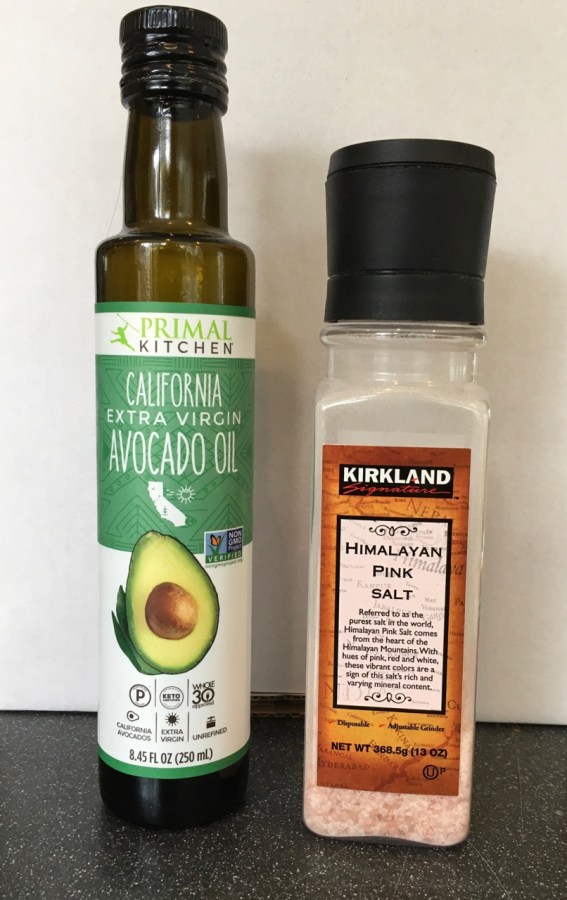
- oil
- salt or other†, more sophisticated seasonings
- vegetables
- cutting board or plate and a sharp knife
 You can roast many other things, but the long storing properties of most root vegetables make them ideal for a COVID-19 era menu. Broccoli comes in little bunches; potatoes are sold in great big bags. Shelf life is the main reason for the discrepancy.
 Here’s a nice resource discussing healthy root vegetables and their nutritional characteristics.
In normal times, many people rush home after work and need dinner on the table within minutes. Roasting is a long, slow process, ill-suited to that kind of lifestyle. Now that a greater* proportion of us are working from home due to the pandemic, however, this kind of “prep it, put it in the oven, then ignore it for an hour while you get back to work” recipe is a lot more accessible.
I was introduced to the concept of roasting root vegetables by a functional nutritionist to whom I was referred by my primary care physician. I suspected that my diet affected the symptoms of my autoimmune condition, but I struggled under the burden of cooking every bite of food for myself given my near total lack of enjoyment of time in the kitchen. This was the best idea the nutritionist gave me from a fairly wide array.
Before I started roasting vegetables, I didn’t buy turnips, rutabagas, or parsnips. Now, I usually keep at least a couple of each on hand because it is so easy to prepare them this way, and the results invariably taste good. Note that these are not vegetables I typically enjoy otherwise.
If you’d like a professionally produced set of step by step instructions, feel free to carry on with Epicurious instead of my low budget advice. Otherwise, here’s my 2 ¢ as the laziest possible chef.
Recipe for roasted root vegetables
- Pre-heat your oven to 450° F if you remember; if you don’t, allow more cooking time. This is not a fussy recipe.
- Wash all your vegetables, and peel if you prefer.
- Chop vegetables into uniform, small-ish pieces.
- Pour—or brush with a pastry brush or a bit of paper towel—a thin film of oil onto your baking sheet, lined with foil or a silicone mat first if you prefer.
- Spread vegetables in a single layer on prepared baking sheet.
- Drizzle with a little oil, and sprinkle on salt and/or pepper, Borsari, or other dried herbs or spices.

- Roast vegetables, lowering heat to 425° F for about 20 minutes. Check at the 20 minute mark, stirring and flipping pieces over. Continue roasting in 10-15 minute increments until you think they’re done. Look for some darkened edges, or note when the sharp odor of raw vegetables is replaced by the sweeter scent of cooked ones. If in doubt, a total cooking time of 45-60 minutes is probably about right, and most vegetables won’t hurt you if raw or under-cooked, unlike meat.
 Veg roasting tips from an unseasoned cook
My most often roasted vegetables are sweet potato, carrot, beet, and parsnip, but I use turnips and rutabagas pretty often, too. I have yet to regret roasting any vegetable, but, in my experience, the watery ones seem like extra work for less deliciousness.
Unless you’re cooking for my husband or a similar philistine, always include one small onion with your other vegetables. Caramelized onion is just so tasty unless you hate onions, and maybe even then, and even a small amount lends tons of flavor to the entire rest of the tray of vegetables.
Chop up your vegetables to the size you like to eat. I make little pieces that look like breakfast hash for myself; my husband prefers heftier chunks, a bit larger than dice. I can cook both in the same oven for about the same amount of time with no ill effects, so I’d say the size is purely a matter of personal taste.
Don’t crowd the pan! I always do, and the results will be softer, more “steamed” vegetables with less of the really yummy, caramelized, crunchy bits. Use a larger pan than you think need, and you’ll get the tastiest results. If, like me, you prioritize getting that last dish into the dishwasher instead, just recognize that a smaller batch might turn out better.
Proper chefs on the internet tell me I would get crispier, more delicious vegetables if I used an unlined baking sheet. I use a Silpat non-stick silicone mat anyway. Again, I prioritize easy clean up, and the food ends up good enough for me either way.
Try roasting vegetables you don’t think you like. You may feel differently about them once roasted! I do not normally care for beets or parsnips, but I like them roasted. I like raw carrots, but hate them cooked moist say in a soup; I love them roasted. You can see where I’m going with this. Your experience could differ, but this is a wonderful way to try eating unusual produce that might not normally appear in your diet. Most of us benefit from the addition of greater variety in this category.
Offer roasted vegetables to your kids, possibly not mentioning exactly what they are until they’ve rendered a verdict on taste. Make sure the distinct varietals are different colors so you can identify favorites for future reference. Encourage your kids to eat a whole rainbow of foods. Let them select spices from your cupboard and try roasting with them, possibly by sniffing each bottle until they find one that smells tempting.
♦
† My favorite is Borsari Original Seasoned Salt. This is the only “mixed” seasoning in my spice cupboard. It is delicious on duck… and everything else I’ve tried it with. A Whole Foods employee recommended it to me c. 2003.
* 7% of Americans reported being able to work remotely prior to the pandemic; as of October 2020, one third of us are working from home all the time, and 25% report doing so some of the time. More than half of Americans have worked from home for at least part of the pandemic.
 This is remarkable for several reasons:

 Thanksgiving Coffee

 Really Wonderful Things