
It’s 2020, autumn, and the pandemic did not miraculously resolve after the election. For those of us who believe in science and value the health of others, the only safe way to socialize these days is to take our meetings outdoors.
 I suffer more from the cold since developing an autoimmune disease, but November in New England isn’t traditionally known for sedentary al fresco activities. Even hale and hearty young people become uncomfortable sitting still as the mercury drops much below room* temperature.
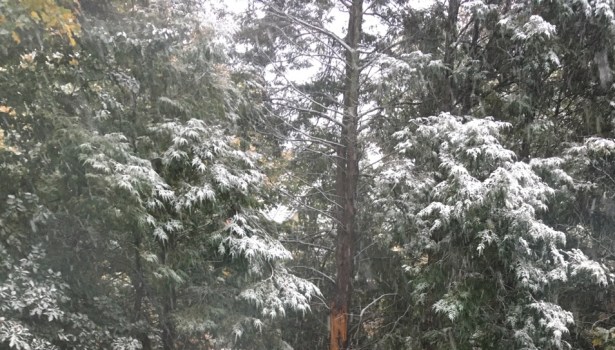 And, of course, we got weather like this in October!
The first step to staying comfortable outdoors is wearing appropriate clothing. It is always wise to bring at least one layer† more than one thinks is necessary for extended jaunts on cool days. Wear a cap, and bring your gloves, too, of course. But if the sun sets, or the temperature drops below 60º F or so, the amount of clothing required—or the need for expensive, highly specialized gear in which you may not wish to invest—can become burdensome.

Why I use hot water bottles at home and outdoors
I send my child to outdoor classes—and welcome visitors to our yard for socially distanced visits—with a cheap, simple, classic, soothingly warm hot water bottle. Adding a source of radiating heat beneath a blanket or tucked into a jacket can add hours of comfort for anyone, and, as a bonus, it also helps ease pain for those of us with arthritis.
Unlike a heating pad, you aren’t tied to an electrical outlet with a hot water bottle. And, while I also use microwaveable “warm bags” —which I’ve heard friends call “rice sacks,” “heat pillows,” and also “heating pads”— the grain filled type weigh just as much, yet cool down relatively quickly compared with the long sustained warmth of water with its very high specific heat capacity.

My history with hot water bottles
Before I married my husband, I’d never even seen a hot water bottle in real life. I knew what they were from old novels and cartoons, but hadn’t noticed they were still sold in stores.
Quaint and old-fashioned hot water bottles may be, but I’ve become a convert. I’ve found them readily available in major chains and tiny Main Street Mom & Pop drug stores across America. Ask the pharmacist—or the oldest person on staff—at your local shop, and you will probably get what you need.
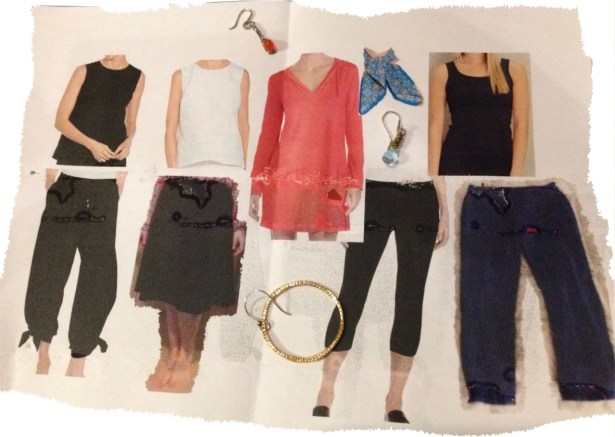 I planned a wardrobe for this trip,
 Most important of all, I had what I needed to be comfortably dressed throughout the ten day trip. I’m a traveler with joint pain and an autoimmune condition who remains bound and determined to make it to more corners of the globe. Smart packing isn’t a hobby for me, it’s a necessity.
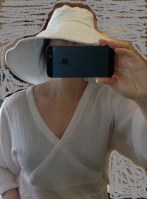 The week before we arrived, our primary destination, Christchurch, baked in 90º+ F temperatures, but we had a cooler trend and the remnants of a cyclone to deal with. What I packed would have worked for either week’s weather, so it was a solid wardrobe plan.


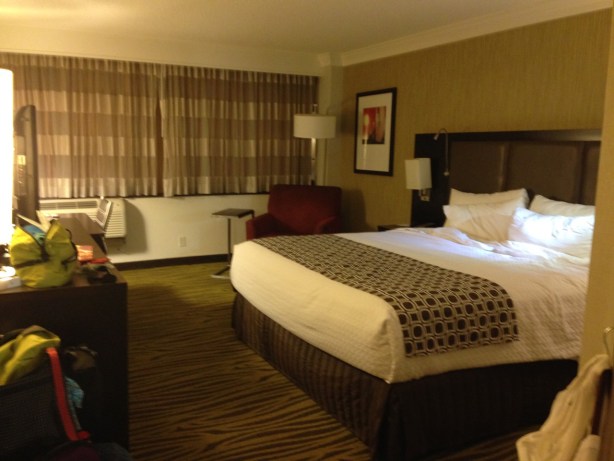 Upon arrival in New Zealand, I had already acclimated from the Eastern to Pacific zone (USA West Coast) which represents half of the total time shock. Though the flight is lo-o-o-o-ong, most of the travel between California and New Zealand is in a southerly direction. You only drop three more time zones on that 12 hour flight.


 Really Wonderful Things